Garbage Segregation
Garbage Segregation
Large volumes of non-recyclable waste still end up in landfills, causing environmental harm and wasting energy potential. Refuse-Derived Fuel (RDF) converts these waste streams into a consistent, high-energy fuel—reducing landfill dependency while supporting cleaner industrial energy generation.
Large volumes of non-recyclable waste still end up in landfills, causing environmental harm and wasting energy potential. Refuse-Derived Fuel (RDF) converts these waste streams into a consistent, high-energy fuel—reducing landfill dependency while supporting cleaner industrial energy generation.
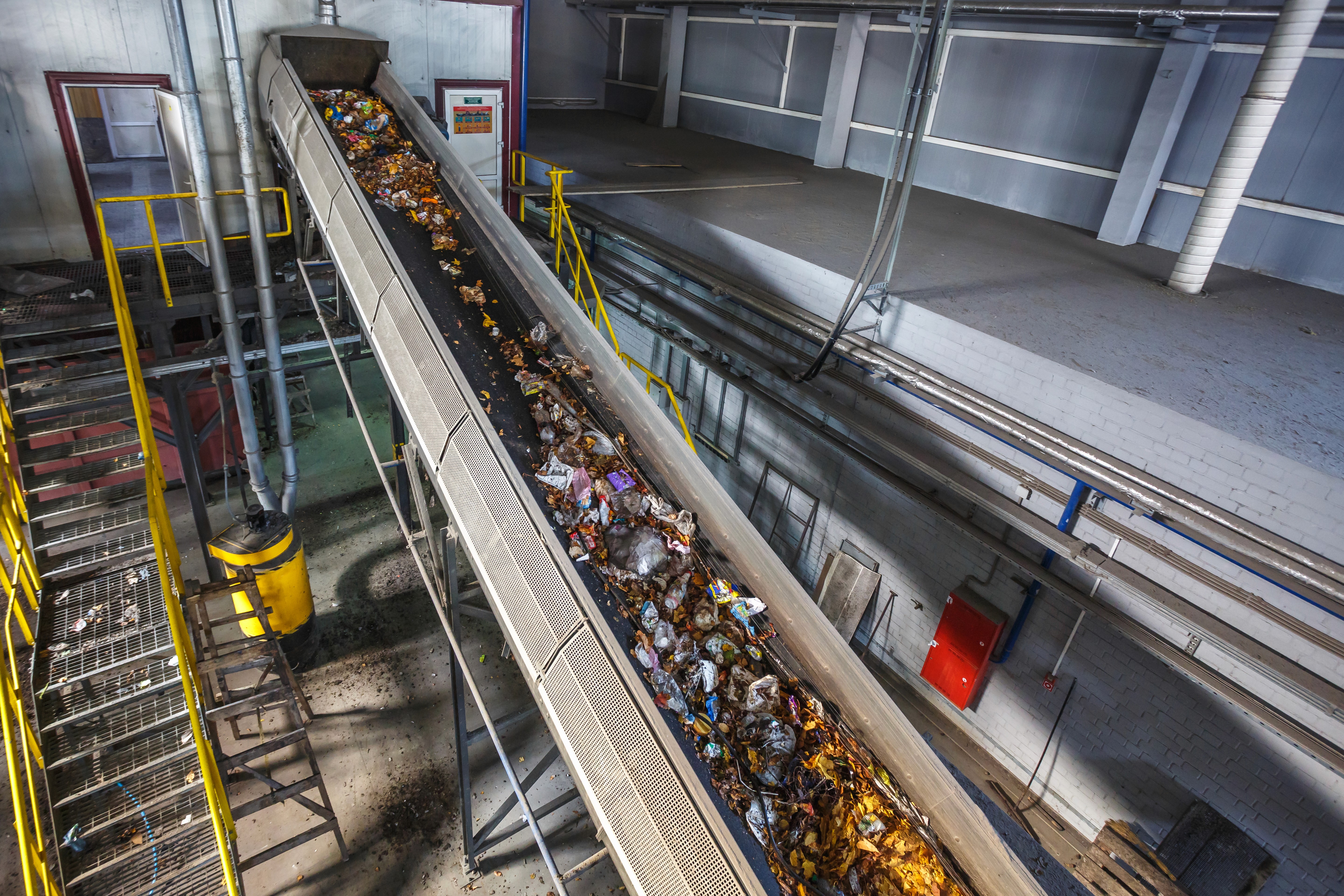
Key Benefits of Garbage Segregation 1. Enhances Recycling Processes The correct waste sorting process enables efficient recovery of recyclable materials which include plastic and paper and glass and metal that can be reused in production processes. 2. Reduces Environmental Pollution Segregation prevents toxic and non-biodegradable waste from harming natural ecosystems, rivers, and wildlife. 3. Saves Energy and Natural Resources Recycling requires less energy to process materials than the energy needed to create new materials which results in preservation of essential natural assets. 4. Minimizes Landfill Dependency The reduction of mixed waste results in decreased landfill operations which in turn decreases methane emissions while enhancing land stewardship. 5. Improves Public Health and Safety The process of hazardous waste separation protects communities by decreasing their contact with dangerous materials. 6. Encourages Responsible Living Segregation promotes environmentally sustainable practices that result in enduring environmental benefits.
Key Benefits of Garbage Segregation 1. Enhances Recycling Processes The correct waste sorting process enables efficient recovery of recyclable materials which include plastic and paper and glass and metal that can be reused in production processes. 2. Reduces Environmental Pollution Segregation prevents toxic and non-biodegradable waste from harming natural ecosystems, rivers, and wildlife. 3. Saves Energy and Natural Resources Recycling requires less energy to process materials than the energy needed to create new materials which results in preservation of essential natural assets. 4. Minimizes Landfill Dependency The reduction of mixed waste results in decreased landfill operations which in turn decreases methane emissions while enhancing land stewardship. 5. Improves Public Health and Safety The process of hazardous waste separation protects communities by decreasing their contact with dangerous materials. 6. Encourages Responsible Living Segregation promotes environmentally sustainable practices that result in enduring environmental benefits.